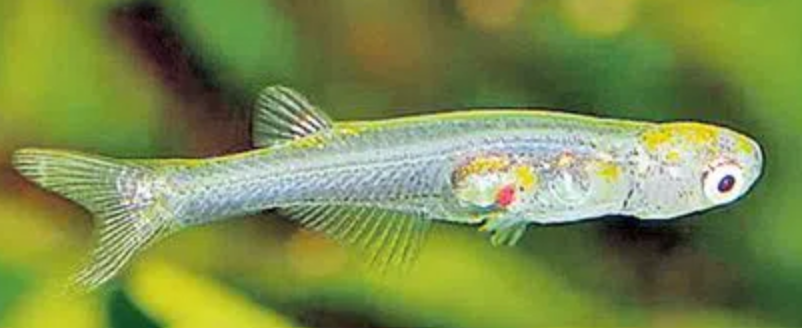
Scientists have found that Danionella cerebrum – a tiny fish endemic to Myanmar –
produces the loudest sound for its size of any fish – over 140 decibels. It does this striking cartilage against its swim bladder
Read all about it
Scientists have found that Danionella cerebrum – a tiny fish endemic to Myanmar –
produces the loudest sound for its size of any fish – over 140 decibels. It does this striking cartilage against its swim bladder
Read all about it
News from SHOAL
January 9th, 2024
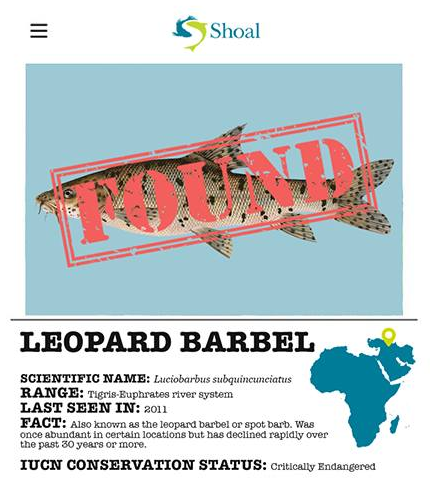
On the heels of the news that 25% of freshwater fish are at risk of extinction, a team of ichthyologists in Türkiye (Turkey) has rediscovered hope in the shape of a carp-like, spotted fish — the leopard barbel (Luciobarbus subquincunciatus) — in the Turkish section of the Tigris River. The species, which was last scientifically documented in 2011, is the second species on SHOAL and Re:wild’s Most Wanted Lost Fishes list to be rediscovered. The first, the Batman River loach, was found by the same intrepid team in Southeastern Türkiye in late 2021.
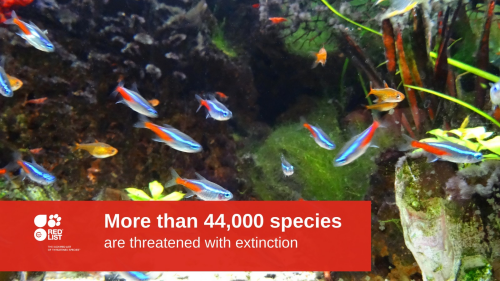
Today IUCN announces the completion of the first comprehensive assessment of the world’s freshwater fish species, revealing that 25% (3,086 out of 14,898 assessed species) are at risk of extinction. At least 17% of threatened freshwater fish species are affected by climate change, including decreasing water levels, rising sea levels causing seawater to move up rivers, and shifting seasons. This compounds threats from pollution, which impacts 57% of freshwater fish species at risk of extinction, dams and water extraction, which affect 45%, overfishing, which threatens 25%, and invasive species and disease, which harm 33%. For example, the large-toothed Lake Turkana robber (Brycinus ferox) – an economically important species in Kenya – has moved from Least Concern to Vulnerable on the IUCN Red List, due to overfishing, climate-change driven habitat degradation and dams reducing freshwater entering the lake. Read more here
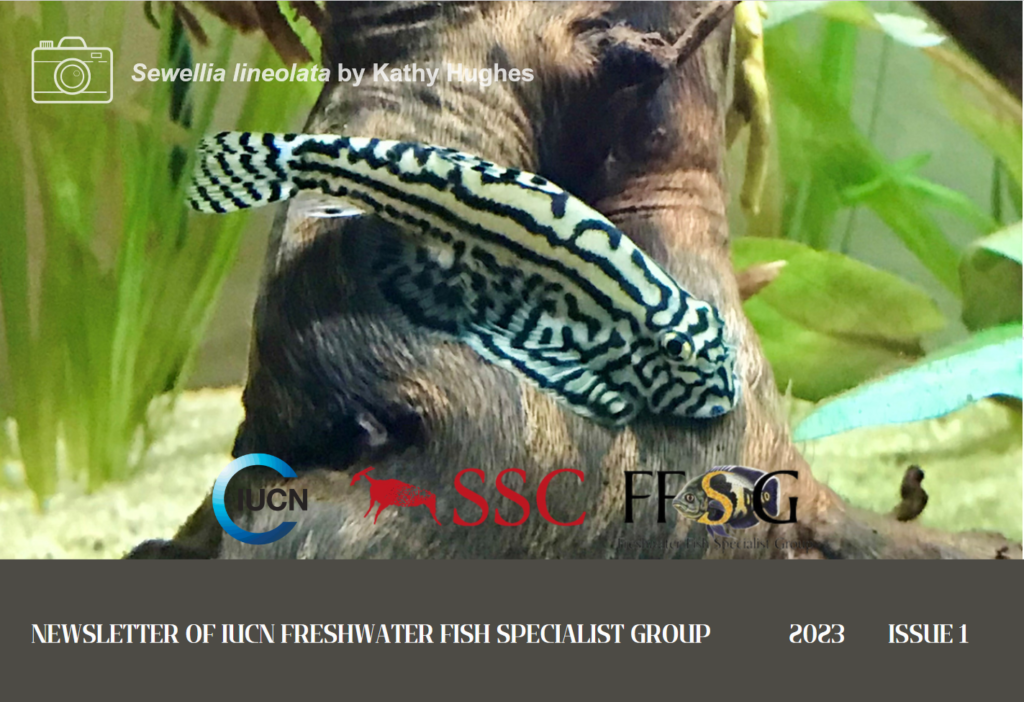
Thanks to the support of FFSG members, FFSG we are delighted to share the first FFSG Newsletter in several years. If you are interested in news about freshwater fish conservation and science, please see here: https://freshwaterfish.org/wp-content/uploads/2023/12/FFSG-Newsletter-2023-Issue-1.pdf and keep an eye on this page for the next FFSG Newsletter planned for Spring 2024
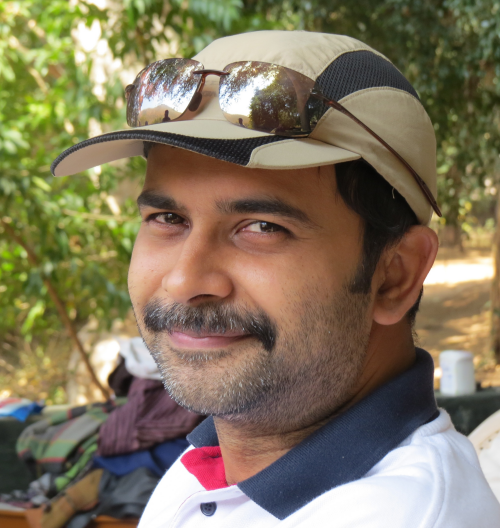
FFSG are proud to announce that FFSG South Asia Regional Chair and Red List Coordinator (Asia and Oceania) Professor Rajeev Raghavan was awarded the Fisheries Society of the British Isles Medal this year to recognise his exceptional advances in the study of fish biology, the first year that the medal was awarded to someone from the Asian continent. Rajeev is Assistant Professor at the Kerala University of Fisheries and Ocean Studies where he has discovered 23 new fish species, including the now famous Gollum snakehead, Aenigmachanna gollum. Rajeev has been an invaluable contributor to FFSG since he joined in 2009 and took over as the South Asia Chair in 2012, a position he has maintained since. Rajeev has been an invaluable contributor to FFSG for more than twelve years and we congratulate him on his well-deserved FSBI Medal. The Indian Express has recently published a fantastic article about Rajeev’s work which you can read here: https://www.newindianexpress.com/cities/kochi/2023/oct/26/if-asked-to-name-ten-native-fish-species-students-would-be-stumped-professorrajeev-raghavan-2626958.html
A new paper has just been published in Aquatic Conservation by Andy D. Nunn, Rachel F. Ainsworth, Silas Walton, Colin W. Bean, Tristan W. Hatton-Ellis, Andy Brown, Rob Evans, Allison Atterborne, Dave Ottewell, Richard A.A. Noble

Nunn, A.D., Ainsworth, R.F., Walton, S., Bean, C.W., Hatton-Ellis, T.W., Brown, A. et al. (2023). Extinction risks and threats facing the freshwater fishes of Britain. Aquatic Conservation: Marine and Freshwater Ecosystems, 1–17. https://doi.org/10.1002/aqc.40140
Abstract:
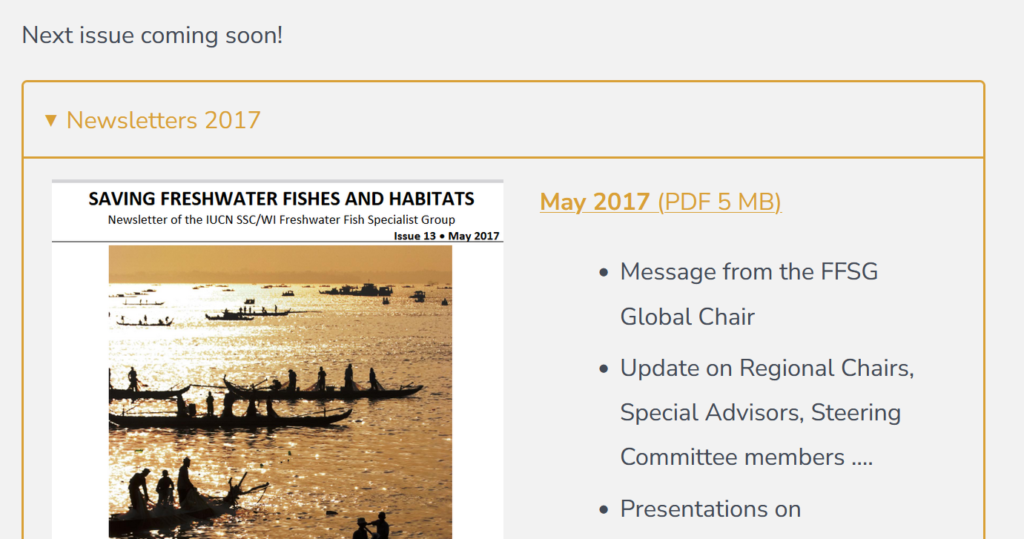
All the existing newsletters are now available for download. Two annual reports have also been added.
We’re working on a new website for the Freshwater Fish Specialist Group. You will see it change gradually from a site apparently about cakes to one about fish – we do not intend to make fishcakes!
Keep checking back to see what we’ve added